New York Energy Solution

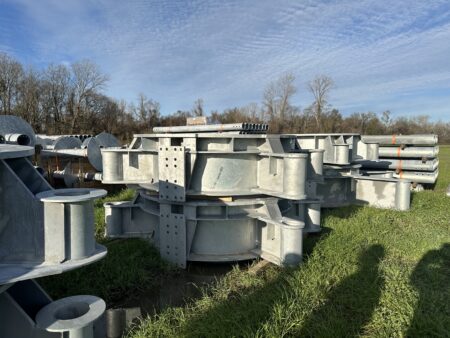
The 55-mile, 345 kV New York Energy Solution project replaced aging 1930s lattice structures with high-load, double-circuit monopoles. MAGNUM® Helical Piles and MUG grillages created an all-steel foundation solution for the demanding transmission loads. The system eliminated concrete from the critical construction path while accommodating tight pile installation tolerances.

A 300-ton load test and independent third-party review validated the foundation system. The completed transmission project was energized in August 2023, approximately six months ahead of schedule. This project demonstrates how high-capacity helical pile foundations can support accelerated transmission infrastructure upgrades.

Mondu Transmission Line

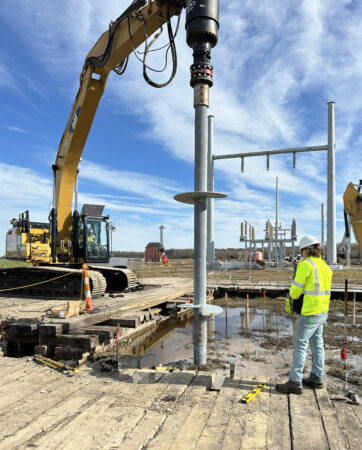
The Mondu Transmission Line in Pointe Coupee Parish, Louisiana, presented challenging foundation conditions. Saturated alluvial soils, standing water, and sensitive agricultural and wetland areas complicated conventional drilled foundation construction.

MAGNUM® Helical Piles and MUG grillages provided an all-steel foundation solution for the wet site. Crews installed the system with excavators positioned on timber mat bridges. This approach eliminated excavation, dewatering, drill spoils, and concrete. Installation torque also allowed pile capacity to be verified during construction.

Foundation work was completed on schedule, helping support Mondu Solar’s planned 2026 energization. The project demonstrates how helical pile foundations can address difficult site conditions while supporting demanding transmission construction schedules.
Wyoming Substations project

PacifiCorp Wyoming Substations

The PacifiCorp Wyoming Substations project consisted of two substation sites in Southern Wyoming with 101 foundation structures or grillages.  Each grillage was supported by 4 to 8 helical piles ranging in size from 5.5” O.D. to 9.625” O.D., with top of pile up to 18” above finished ground surface.  Magnum Geo-Solutions designed steel grillages that avoided the need for concrete as the sites were located in remote locations.